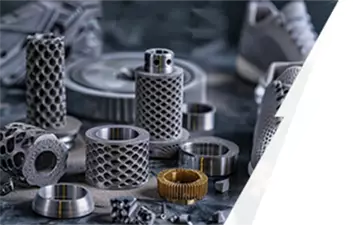

Nylon PA11 3D Printing Service
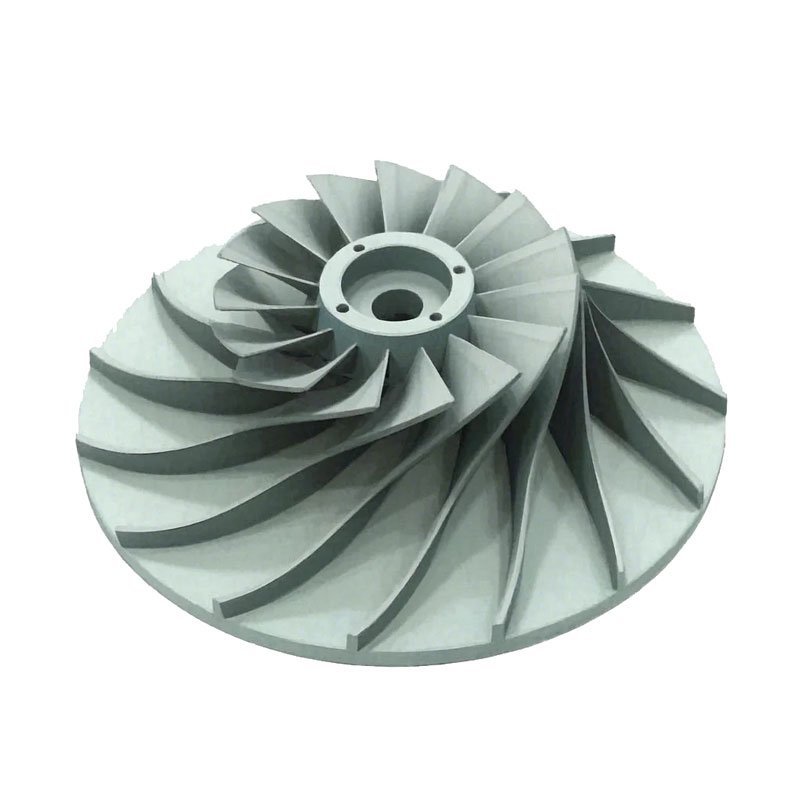
Nylon (PA) 3D printing utilizes technologies like Selective Laser Sintering (SLS) and Multi-Jet Fusion (MJF). The material offers a balance of toughness and wear resistance, with chemical corrosion resistance and easy dyeability. Molded parts can directly serve as functional components, such as automotive clips, gears, or lightweight structures with complex topologies. Widely used in automotive, aerospace, medical (e.g., orthotics), and consumer products
Common 3D printable products:
- Automotive & Machinery:For fuel system components
- Medical & Orthotics:To create customized orthotics
- Wearable Devices & Sports Gear:Production of flexible sensor casings
What do you want printed?
You can also send us 3D object files at our Email:jerry@coreprint3d.com


Compare Nylon 3D Printing Material Properties
| Material | Process | Color | Tensile Strength | Tensile Modulus | Elongation |
| PA 12 White (PA 650) | SLS | White | 50.0 MPa | 2,000 MPa | 11% |
| PA 12 Black | MJF | Black | 49 MPa | 1,900 MPa | 8.5% |
| PA 11 Black (PA 850) | SLS | Black | 52 MPa | 1,800 MPa | 30% |
| PA 12 Mineral-Filled (Duraform HST) | SLS | Light Gray | 38 MPa | 3,100 MPa | 3% |
| PA 12 40% Glass-Filled (PA 614-GS) | SLS | White | 50 MPa | 3,600 MPa | 5% |
| PA 12 40% Glass-Filled Black | MJF | Black | 30 MPa | 3,500 MPa | 8.5% |
How Does Nylon 3D Printing Work?
Nylon 3D printing typically uses powder bed fusion technologies like Selective Laser Sintering (SLS) or Multi-Jet Fusion (MJF). The process starts with spreading a thin layer of nylon powder (e.g., PA11, PA12) on a build platform. In SLS, a laser sinters the powder particles together at high temperature (just below melting point) according to the digital model, while MJF uses inkjet nozzles to apply fusing agents before heating. Each layer bonds with the previous one, gradually building the part via layer-by-layer accumulation. Supports are usually unnecessary due to the powder bed’s structural support. After printing, excess powder is recycled, and parts undergo cooling, depowdering, and post-processing (e.g., dyeing, vapor smoothing) for improved surface finish. This method enables complex, durable, and flexible nylon components for automotive, medical, and industrial applications.

Get An Accurate Quote Quickly
If you have 3D printing needs, you can leave your email address, and we will reply to you within 30 minutes.
Email:
jerry@coreprint3d.com
Phone:
+86:180 2696 3929
Jieshun Technology Center, Longhua District, Shenzhen
Dongguan Songshan Lake International Innovation and Entrepreneurship Community