Top Benefits of Using 3D Printing in Automobile Manufacturing
Top Benefits of Using 3D Printing in Automobile Manufacturing
As the automobile industry continues to evolve, the integration of new technologies plays a crucial role in shaping its future. Among these innovations, 3D printing (also known as additive manufacturing) has emerged as one of the most transformative and cost-effective methods of production. Particularly in automobile manufacturing, 3D printing has revolutionized how parts are designed, produced, and tested. In this blog, we will explore the top benefits of using 3D printing in automobile manufacturing and how it can enhance the production process.
1. Faster Prototyping and Design Iteration
One of the greatest advantages of 3D printing in automobile manufacturing is its ability to accelerate the prototyping and design process. Traditionally, creating prototypes for automotive parts required expensive and time-consuming methods such as machining or molding. With 3D printing technology, we, Coreprint manufacturers, can quickly produce prototypes directly from digital models through Automobile Manufacturing 3D Printing Service, thus enabling faster design iterations.
This speed in prototyping means that engineers and designers can test different designs and make changes in real-time, leading to a more efficient development cycle. The ability to rapidly prototype and modify designs can ultimately lead to better products and reduced time to market.
2. Cost-Effective Production of Complex Parts
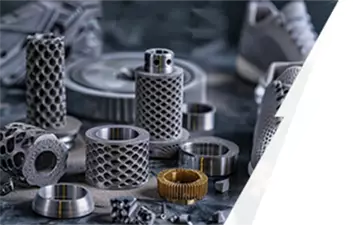
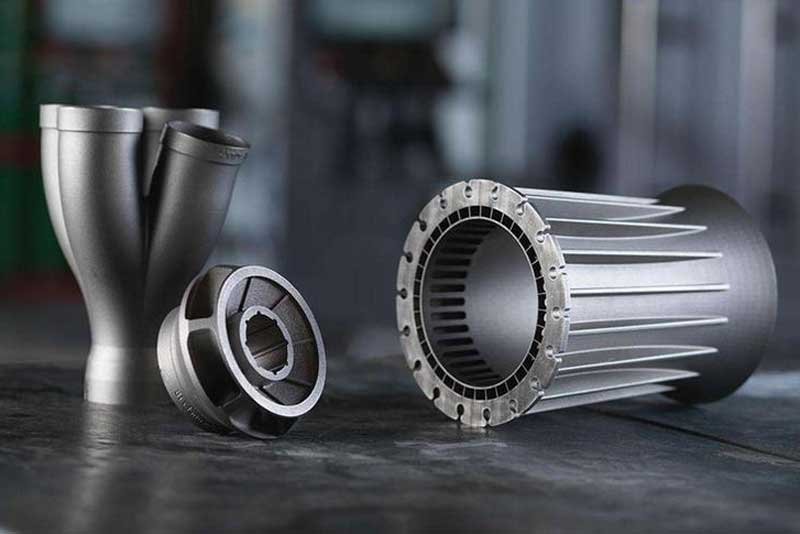
Automobile manufacturing often requires the production of complex parts. Producing these parts with traditional manufacturing methods can be extremely costly, or even impossible. However, 3D printing technology enables manufacturers to create complex geometries without the need for additional molds or equipment. This is particularly useful for producing parts with complex internal structures, lightweight designs, or customized features. In addition, with the help of 3D printing technology, the materials used can be optimized for specific parts. For example, materials such as aluminum and copper can be used to ensure strength where it is needed while reducing the overall weight. The ability to produce these parts on demand without the need for expensive molds or dies greatly helps to reduce production costs.
3. Customization and Personalization
Another key benefit of 3D printing in automobile manufacturing is the ability to create highly customized or personalized parts. With traditional manufacturing processes, customization typically involves altering molds or machines, which can be expensive and time-consuming.
3D printing, however, allows for on-demand customization. Whether it’s creating bespoke interior components, unique body parts, or specific vehicle accessories, 3D printing provides the flexibility to cater to customer preferences without compromising quality or increasing costs. This personalization can give manufacturers a competitive edge by offering products tailored to the specific needs of their clients.
4. Reduced Lead Time and Inventory Costs
Traditionally, automobile manufacturers have had to manage large inventories of parts and materials to keep production running smoothly. However, 3D printing can drastically reduce lead times by enabling on-demand production. This allows manufacturers to produce parts as needed, minimizing the need for large inventories and reducing storage costs.
By printing parts on-demand, manufacturers also eliminate the risk of overproduction or part shortages. The ability to produce spare parts at any time helps streamline the supply chain and reduces the time it takes to get products from the design phase to the assembly line.
5. Sustainability and Waste Reduction
Sustainability is becoming an increasingly important concern in the manufacturing industry, and 3D printing offers several environmental benefits. Traditional manufacturing methods often generate significant waste through excess material that must be discarded or recycled. In contrast, 3D printing uses only the material required for each part, minimizing waste.
Furthermore, 3D printing enables the use of recycled materials, further reducing the environmental impact of automobile production. By adopting 3D printing, manufacturers can contribute to a more sustainable future while maintaining high-quality production standards.
6. Supply Chain Resilience
In today’s globalized market, supply chain disruptions can have significant consequences for automobile manufacturers. By utilizing 3D printing technology, manufacturers can create parts locally, reducing dependency on long and complicated supply chains. This not only helps mitigate risks from supply chain disruptions but also reduces transportation costs and delays.
3D printing also allows for more agile supply chain management by enabling on-demand production of spare parts, which can be especially beneficial when dealing with older or discontinued models.
7. Enhanced Performance with Lightweight Parts
Automobile manufacturers are increasingly focusing on reducing the weight of their vehicles to improve fuel efficiency and performance. 3D printing is particularly well-suited for creating lightweight parts with complex internal structures that would be difficult or impossible to produce using traditional methods.
Using advanced materials such as carbon fiber, titanium, or specialized polymers, 3D printing can produce strong and lightweight components, such as brackets, chassis parts, and engine components. These lightweight parts contribute to improved overall vehicle performance, better fuel economy, and lower carbon emissions.
8. Improved Testing and Simulation
With 3D printing, manufacturers can create functional prototypes that closely resemble the final product. This allows for more accurate testing and simulation of how a part will perform in real-world conditions before it is mass-produced.
Additionally, 3D printing enables engineers to experiment with different materials and design modifications in the prototype stage, ensuring that parts meet the required performance standards. This reduces the likelihood of design flaws making it to production and ensures higher quality components in the final vehicle.
9. Increased Manufacturing Flexibility
3D printing offers unmatched flexibility compared to traditional manufacturing methods. With traditional processes, creating a new part or design often requires retooling or significant changes to the production line, which can be costly and time-consuming.
However, with 3D printing, changes can be made to designs or even production schedules on the fly. This flexibility allows manufacturers to respond quickly to changes in customer demands, market conditions, or regulatory requirements.
10. Reduced Dependency on Skilled Labor
Traditional manufacturing methods often require highly skilled labor to operate specialized machines and equipment. In contrast, 3D printing can simplify the manufacturing process by relying on digital files and automated processes.
While skilled technicians are still needed for operating the 3D printers, the overall skill requirement is generally lower, which can help reduce labor costs and make the manufacturing process more accessible.
Conclusion
Incorporating 3D printing into automobile manufacturing offers a multitude of benefits, ranging from faster prototyping and cost-effective production of complex parts to improved sustainability and supply chain resilience. As the technology continues to evolve, it is becoming increasingly essential for automobile manufacturers to explore the full potential of 3D printing services in their production processes.
If you are looking for high-quality 3D printing services to elevate your automobile manufacturing capabilities, you can count on advanced, customized solutions that meet your specific needs and help you stay competitive in the ever-evolving automotive market. Embrace the future of automobile manufacturing with 3D printing—your path to innovation, efficiency, and cost-effectiveness.