描述
Here are the five core advantages of nylon 3D printing, condensed for clarity:
-
1. Superior Mechanical Performance
Nylon offers high strength (45–50 MPa tensile), toughness, and wear resistance—ideal for gears/bearings. Carbon fiber-reinforced variants boost stiffness by 30%+ over traditional plastics, with fatigue resistance for long-life parts.
-
2. Extreme Environment Resistance
With a heat deflection temp of 100–120°C and chemical tolerance to oils/solvents, nylon suits high-heat (e.g., engine parts) and corrosive environments. Flame-retardant types meet aerospace safety standards.
-
3. Complex Geometry Freedom
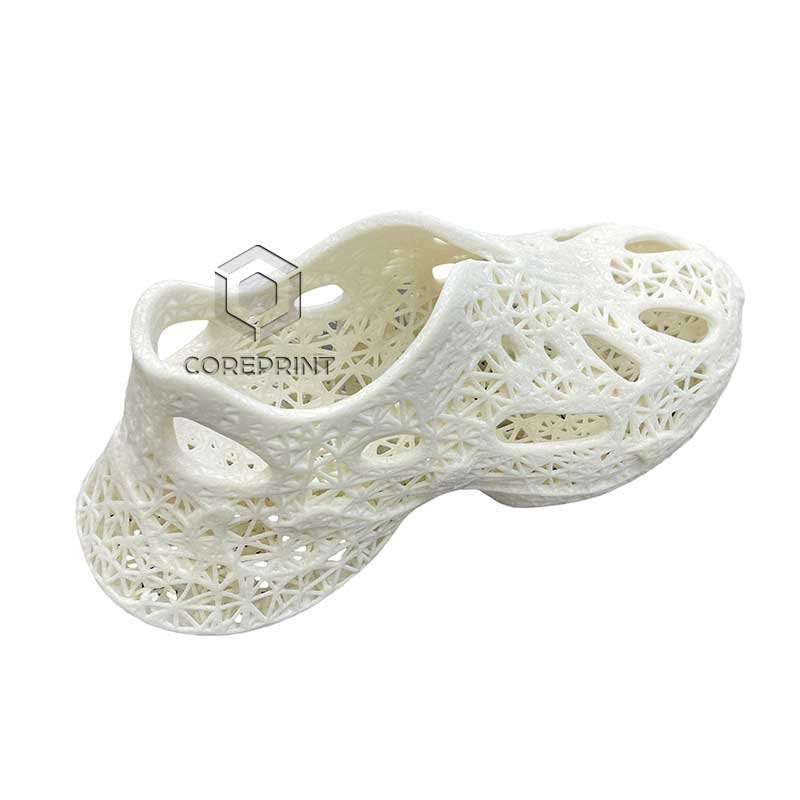
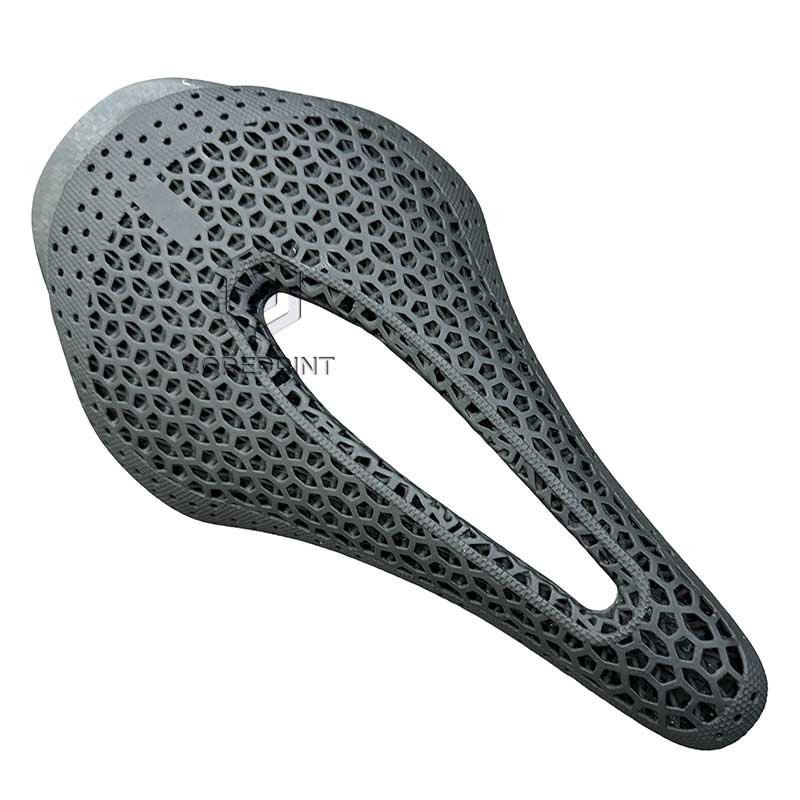
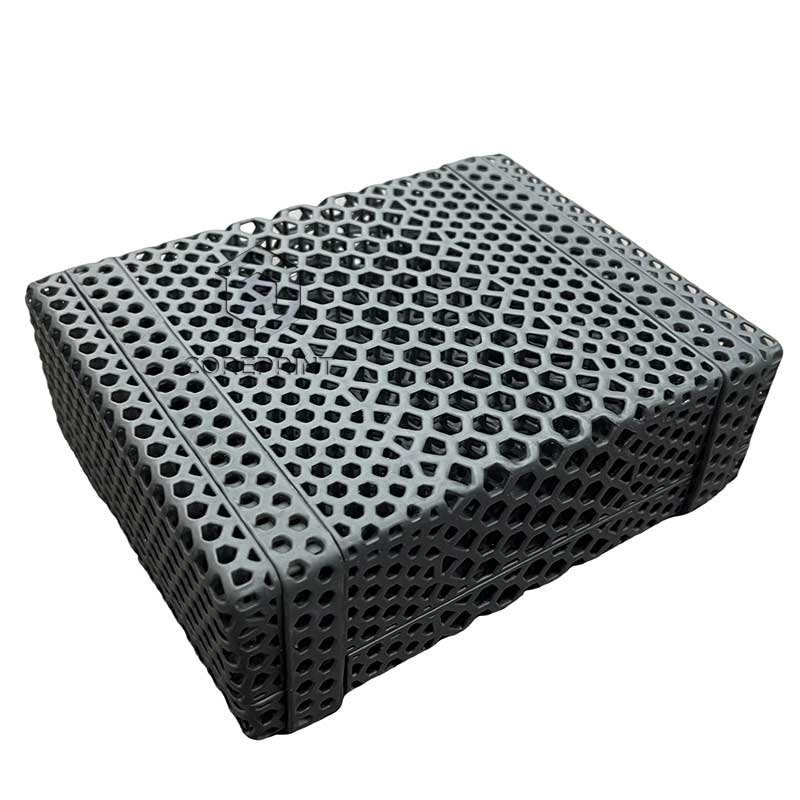
SLS/MJF processes enable seamless production of intricate internal structures, thin walls (0.5mm), and interlocking designs without supports. AI-optimized printers like Raise3D RMS220 achieve ±0.2mm precision for medical/electronics parts.
-
4. Customizable Material Options
Fillers (carbon/glass fiber) and variants (PA11/PA12) tailor properties:
– Lightweight strength (carbon fiber) for aerospace
– High-temperature resistance (glass fiber) for molds
– Low moisture absorption (PA12) for humid environments
Coloring options add aesthetic versatility. -
5. Cost & Time Efficiency
– 90%+ material reuse (SLS) cuts waste vs. traditional methods.
– Digital prototyping slashes development cycles by 50%+
– Reduced post-processing (smooth surfaces) and mold-free production lower costs by 30–50% in automotive/industrial applications.
18-TPU_Materials
| Tensile Strength/Modulus (Mpa) | Yield Strength/Modulus (Mpa) | Elongation (%) | Shore Hardness (D) | Heat Deflection Temperature (°C) |
| 18/61 | 6.2/86 | 276 | 88 | 169 (Melting Point) |