White Standard Resin 3D Printing Service
Advantages of white standard resin 3D printing: High resolution and detail enable precise reproduction of 0.1mm-level fine structures, with a smooth surface comparable to injection-molded parts, requiring no complex post-processing for direct display or functional verification. Fast curing speed and high efficiency, combined with strong material compatibility, support multi-color painting and dyeing. Ideal for product prototypes, medical anatomical models, jewelry master molds, etc., balancing aesthetics and structural strength for rapid design iteration.
Common 3D printable products:
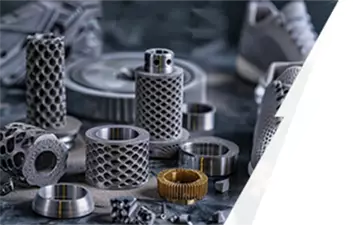
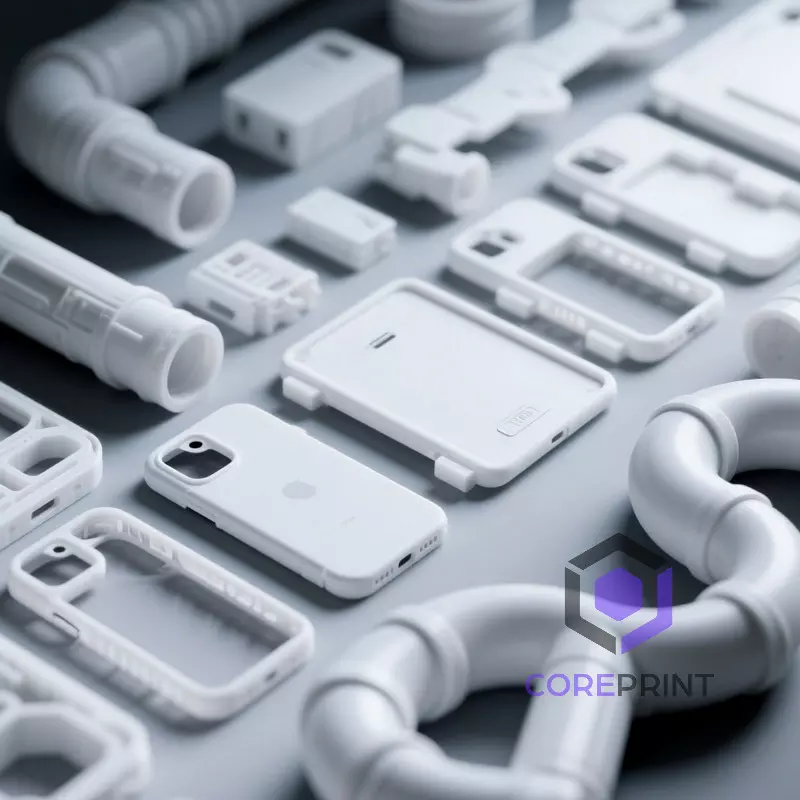
- Consumer Electronics & Industrial Prototypes
- Medical Teaching & Surgical Models
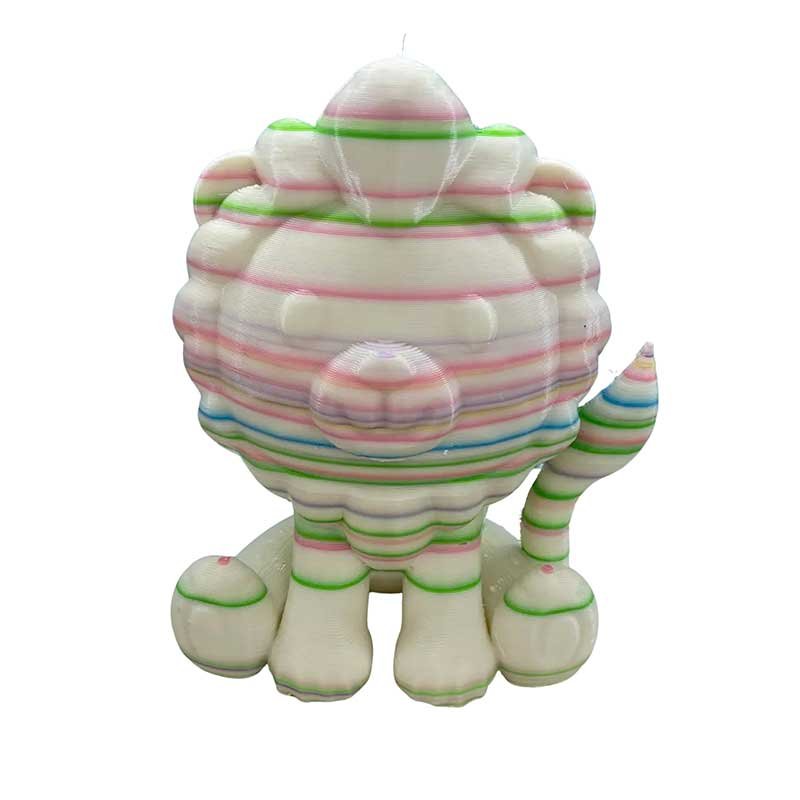
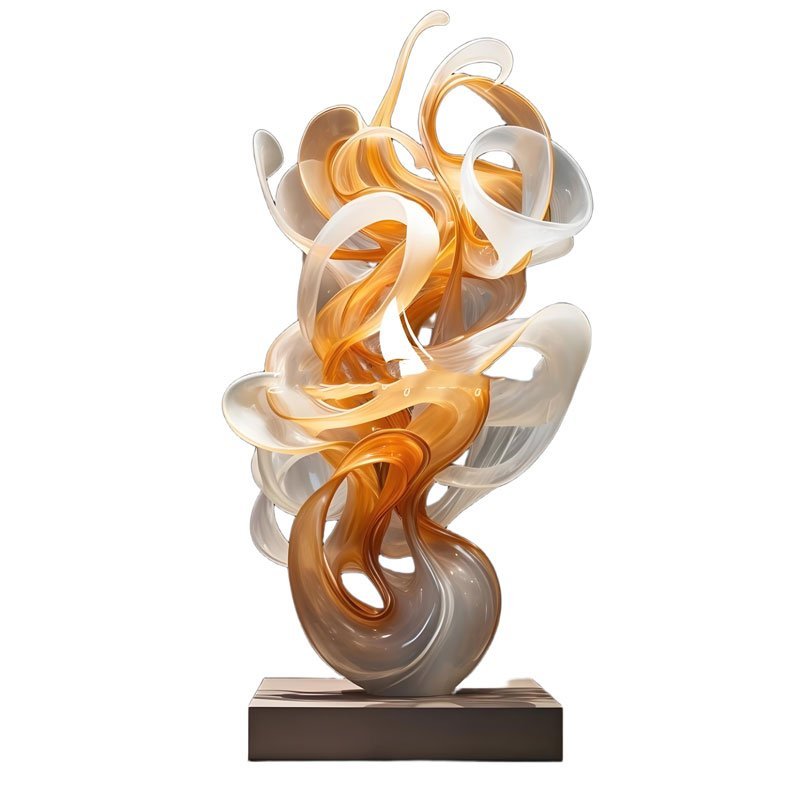
- Jewelry & Craft Master Molds
What do you want printed?
You can also send us 3D object files at our Email:jerry@coreprint3d.com


White Standard ResinMaterial Properties
| Material Name | Material Characteristics | Density at 25℃, cm³ | Minimum Wall Thickness, mm | Tensile Strength, MPa | Flexural Strength, Mpa | Material Hardness |
| White Resin(2018-2) | The white material features fast molding speed and high printing precision. The printed parts have excellent moisture resistance, good chemical resistance, a low shrinkage rate, good dimensional stability, and durability. The parts also have a certain degree of adsorption force, which can meet the requirements of conventional painting. Meanwhile, it possesses excellent mechanical properties. | 1.15/cm³ | 0.8mm | 60-75Mpa | 70-75Mpa | 82邵氏D/260 - 300(HV)/24-28(HB) |
| White Resin(8111) | 1.14/cm³ | 42.1Mpa | 95Mpa | 86邵氏D/300- 350(HV)/28-32(HB) | ||
| White Resin(HP-02A) | 1.14/cm³ | 25-30Mpa | 60-75Mpa | 85邵氏D/280- 330(HV)/26-30(HB) | ||
| Tough Resin(XLST) | Super-tough, high-hardness, and high-strength ABS material; Thin-walled parts with a thickness of 2.5mm can withstand a temperature of 70°C; It has excellent detail presentation, a low shrinkage rate, good dimensional stability, and durability. It can meet the requirements of painting and is suitable for components that resist high-intensity impacts and need shock absorption. | 1.15/cm³ | 40-58Mpa | 71-76Mpa | 82邵氏D/320- 370(HV)/30-34(HB) | |
| Tough Resin(8228) | 1.15/cm³ | 51.21Mpa | 93.5Mpa | 82邵氏D/320- 370(HV)/30-34(HB) | ||
| Transparent Resin(8001) | The colorless material has proven dimensional stability through practice, and it is suitable for general purposes, detailed modeling, and transparent visual simulation. | 1.12/cm³ | 41.56MPa | 75.95MPa | 83邵氏D/270- 330(HV)/25-30(HB) |
How Does Resin 3D Printing Work?
The SLA (Stereolithography) process for resin materials is as follows:
First, design a 3D model with CAD software and import it into slicing software to layer it (0.05-0.1mm thickness) and generate support structures. During printing, the lifting platform submerges into a liquid photosensitive resin tank, where an ultraviolet laser or projector cures the resin layer by layer according to sliced data, forming each contour as the platform lowers by one layer thickness. After completion, the workpiece is removed, supports are detached, and uncured resin is cleaned with alcohol. Finally, post-curing in a UV chamber enhances the resin’s strength, gloss, and weather resistance. With high precision (up to ±0.1mm), this technology is ideal for detailed complex parts like precision molds, jewelry prototypes, and medical guides.

Get An Accurate Quote Quickly
If you have 3D printing needs, you can leave your email address, and we will reply to you within 30 minutes.
Email:
jerry@coreprint3d.com
Phone:
+86:180 2696 3929
Jieshun Technology Center, Longhua District, Shenzhen
Dongguan Songshan Lake International Innovation and Entrepreneurship Community